265 Results for "

Zanthoxylum chiloperone var. angustifolium

" in MedChemExpress (MCE) Product Catalog:
Products (265)

265 Results for "Zanthoxylum chiloperone var. angustifolium" in MCE Product Catalog:

20
20 Publications Verification
Cat. No.: HY-N0009
CAS No.: 24512-63-8
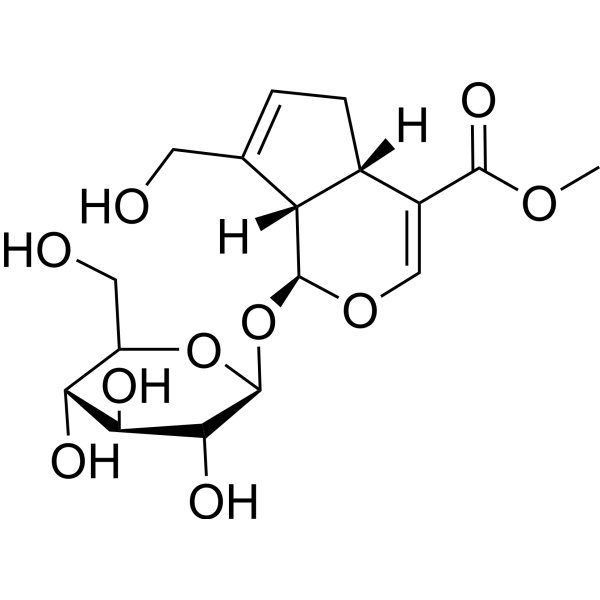
Geniposide is an iridoid glucoside extracted from Gardenia jasminoidesEllis fruits; exhibits a varity of biological activities such as anti-diabetic, antioxidative, antiproliferative and neuroprotective activities.
loading...
    loading...
10
10 Cited Publications
Cat. No.: HY-N2019
CAS No.: 28097-03-2
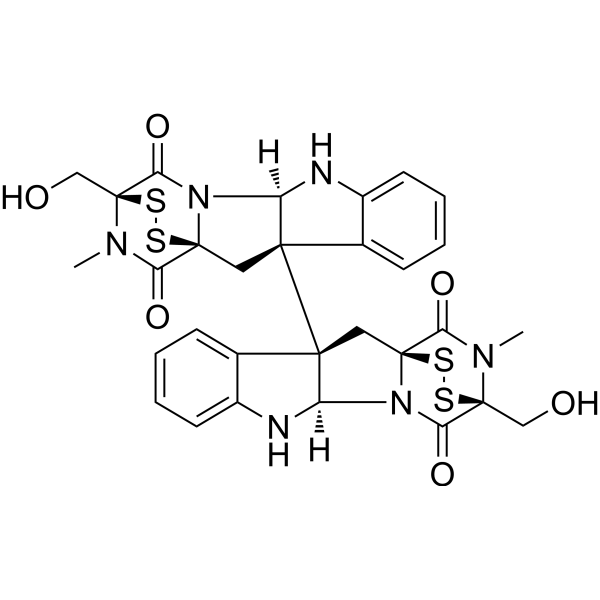
Chaetocin is a specific inhibitor of the histone methyltransferase (HMT) SU(VAR)3-9 with an IC50 of 0.6 μM for SU(VAR)3-9. It also inhibits thioredoxin reductase (TrxR) with an IC50 of 4 μM.
loading...
    loading...
4
4 Cited Publications
Cat. No.: HY-N0280
CAS No.: 4547-24-4
Synonyms: Colosolic acid
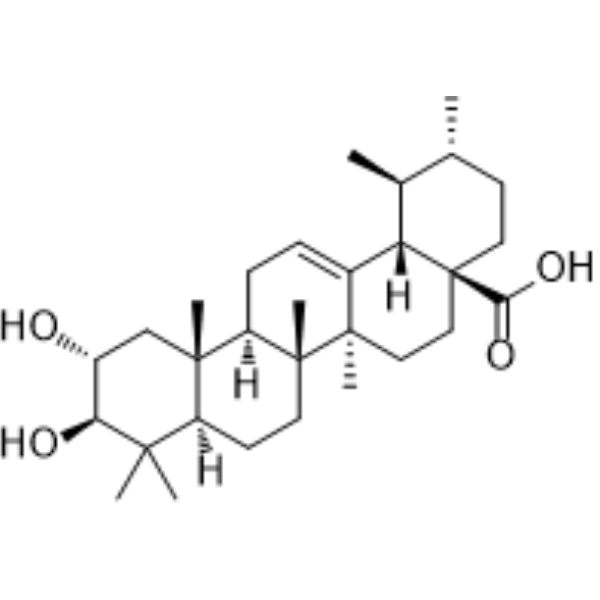
Corosolic acid (Colosolic acid) isolated from the fruit of Cratoegus pinnatifida var. psilosa, was reported to have anticancer activity. Corosolic acid induces cancer cell apoptosis .
loading...
    loading...
4
4 Cited Publications
Cat. No.: HY-N0498
CAS No.: 13063-04-2
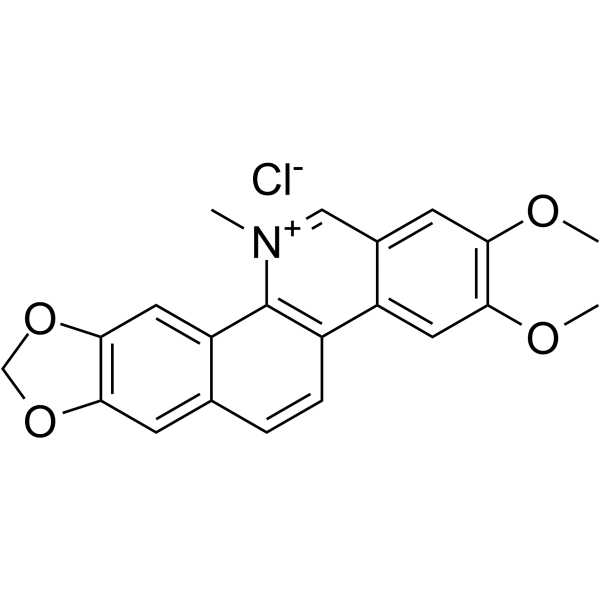
Nitidine chloride, a potential anti-malarial lead compound derived from Zanthoxylum nitidum (Roxb) DC, exerts potent anticancer activity through diverse pathways, including inducing apoptosis, inhibiting STAT3 signaling cascade, DNA topoisomerase 1 and 2A, ERK and c-Src/FAK associated signaling pathway, also has anti-inflammatory activity. Nitidine chloride inhibits LPS-induced inflammatory cytokines production via MAPK and NF-kB pathway .
loading...
    loading...
2
2 Cited Publications
Cat. No.: HY-W017212
CAS No.: 103-26-4
Synonyms: Methyl 3-phenylpropenoate
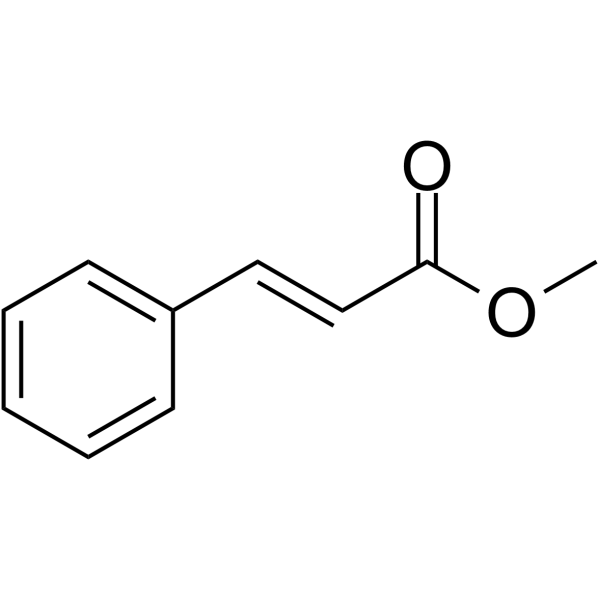
Methyl cinnamate (Methyl 3-phenylpropenoate), an active component of Zanthoxylum armatum, is a widely used natural flavor compound. Methyl cinnamate (Methyl 3-phenylpropenoate) possesses antimicrobial activity and is a tyrosinase inhibitor that can prevent food browning. Methyl cinnamate (Methyl 3-phenylpropenoate) has antiadipogenic activity through mechanisms mediated, in part, by the CaMKK2-AMPK signaling pathway .
loading...
    loading...
2
2 Cited Publications
Cat. No.: HY-N2112
CAS No.: 79498-31-0
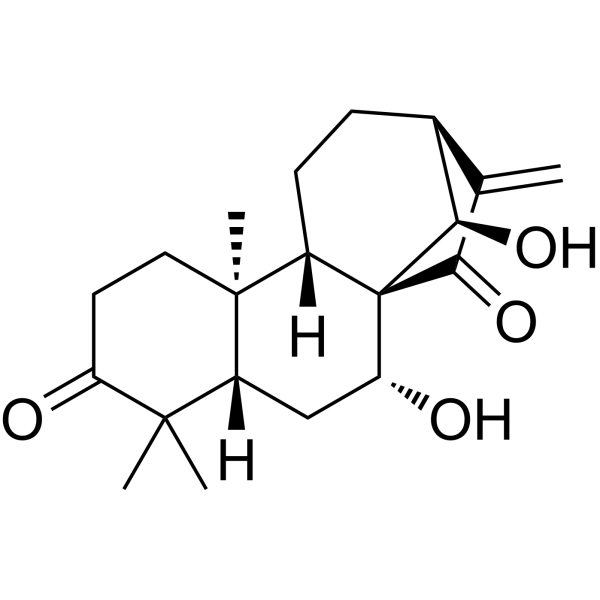
Glaucocalyxin A, an ent-kauranoid diterpene from Rabdosia japonica var., induces apoptosis in osteosarcoma by inhibiting nuclear translocation of Five-zinc finger Glis 1 (GLI1) via regulating PI3K/Akt signaling pathway. Glaucocalyxin A has antitumor effect .
loading...
    loading...
2
2 Cited Publications
Cat. No.: HY-111806
CAS No.: 2034-65-3
Pureté:  99.44%
Synonyms: 5-Deoxykampferol; Resokaempferol
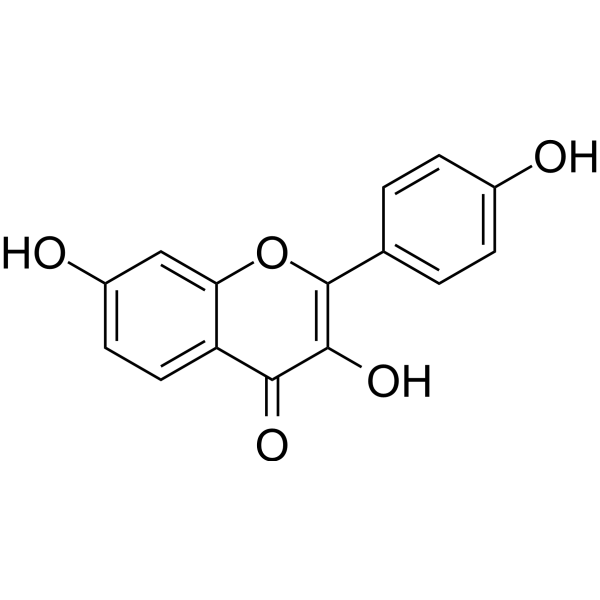
3,7,4'-Trihydroxyflavone (5-Deoxykampferol) is a flavonoid compound that can be isolated from the stems of Rhus javanica var. roxburghiana. 3,7,4'-Trihydroxyflavone has the effect of cleaving DNA in the presence of copper ions. 3,7,4'-Trihydroxyflavone also has anti-inflammatory and antioxidant activities and can scavenge various reactive oxygen species (ROS) and reactive nitrogen species (RNS) .
loading...
    loading...
1
1 Cited Publications
Cat. No.: HY-N6824
CAS No.: 97465-69-5
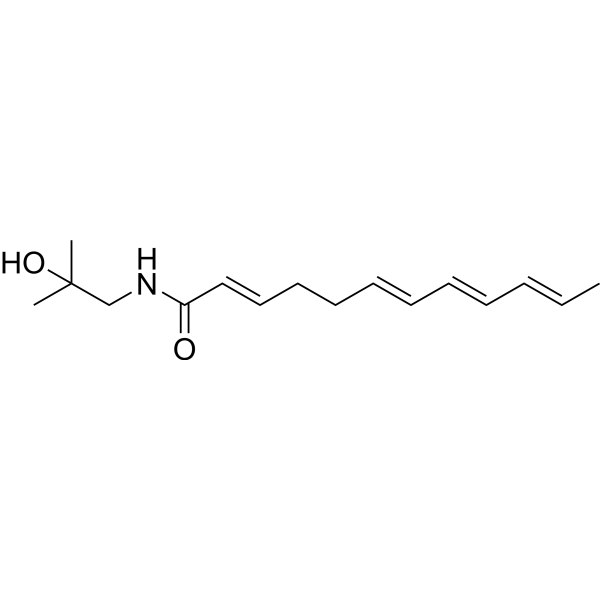
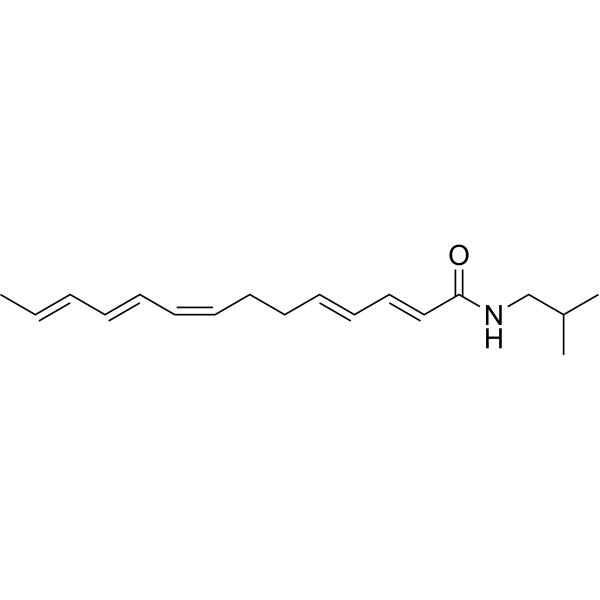
Hydroxy-β-sanshool is an alkylamide exists in Zanthoxylum bungeanum oil and Zanthoxylum schinifolium oil .
loading...
    loading...
1
1 Cited Publications
Cat. No.: HY-N3139
CAS No.: 529-40-8
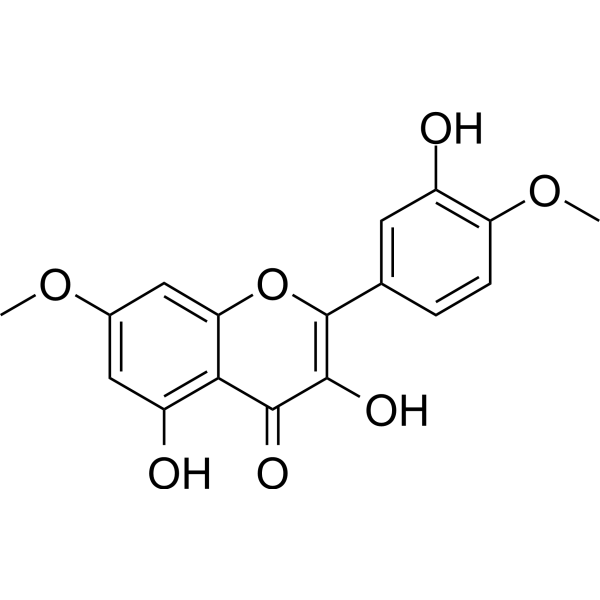
Ombuin, isolated from Zanthoxylum armatum, displays broad spectrum antibacterial effect with MIC ranges from 125 to 500 μg/mL .
loading...
    loading...
1
1 Cited Publications
Cat. No.: HY-N3857
CAS No.: 63807-85-2
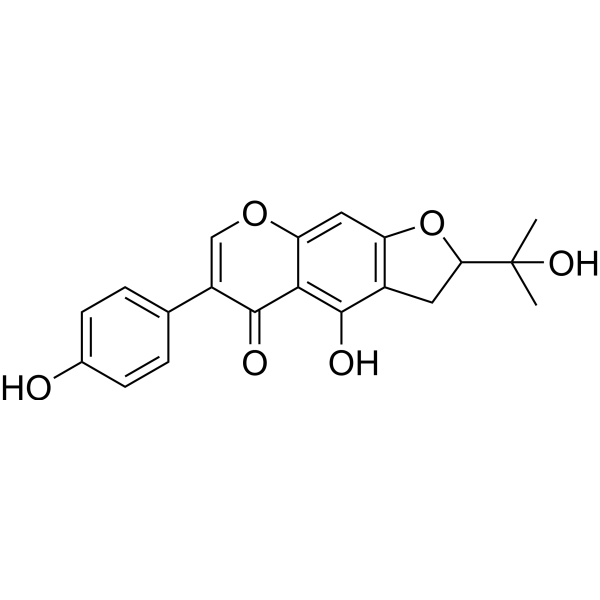
Erythrinin C is an isoflavones that can be isolated from Erythrina suberosa var .
loading...
    loading...
1
1 Cited Publications
Cat. No.: HY-B0856
CAS No.: 37248-47-8
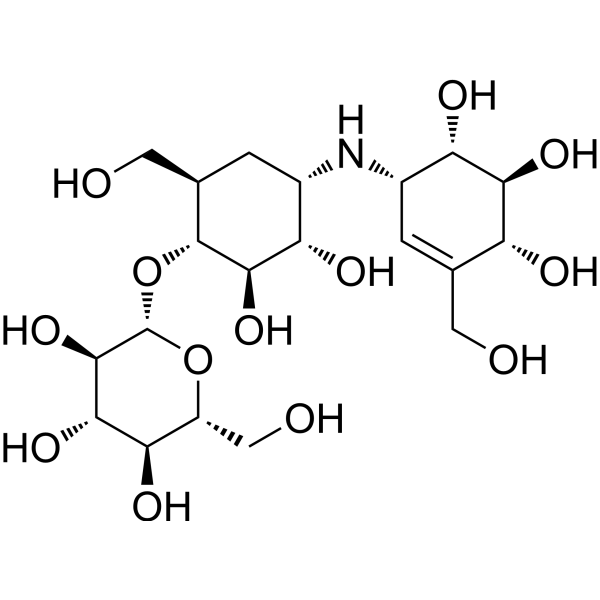
Validamycin A, a fungicidal, is an agricultural antibiotic. Validamycin A is originally isolated from Streptomyces hygroscopicus var. limoneus. Validamycin A inhibits the growth of A. flavus, with a MIC of 1?μg/mL . Validamycin A shows potent inhibitory activity against trehalase of Rhizoctonia solani, with an IC50 of 72 μM . Validamycin A is a reversible tyrosinase inhibitor, with a Ki of 5.893 mM .
loading...
    loading...
Cat. No.: HY-111880
CAS No.: 78886-65-4
Pureté:  99.23%
γ-Sanshool can be isolated from Zanthoxylum piperitum. γ-Sanshool inhibits human ACAT-1 and ACAT-2 activities with IC50s of 12.0 and 82.6 μM .
loading...
    loading...
Cat. No.: HY-N10879
CAS No.: 1036-72-2
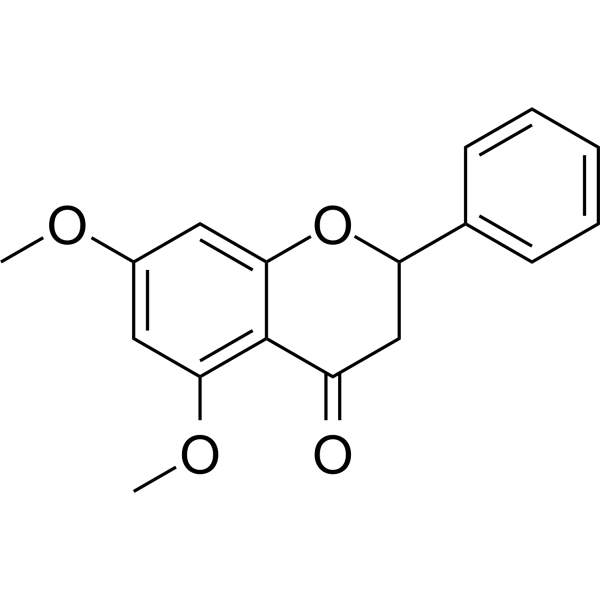
5,7-Dimethoxyflavanone is an active compound. 5,7-Dimethoxyflavanone can be Isolated from the roots of Zanthoxylum nitidum .
loading...
    loading...
Cat. No.: HY-N7013
CAS No.: 252193-26-3
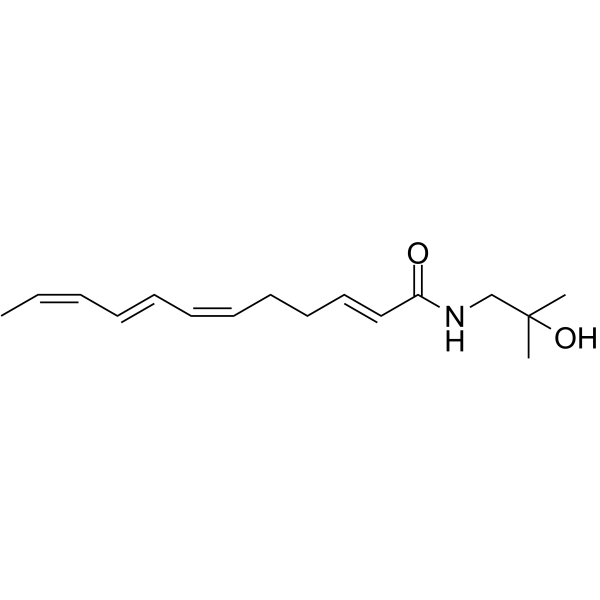
Hydroxy-Epsilon-Sanshool is an alkylamide isolated from Zanthoxylum bungeanum. Hydroxy-Epsilon-Sanshool produces key tingling and numbing chemosensates, and its content is important in determinant the pungency intensity of Zanthoxylum bungeanum .
loading...
    loading...
Cat. No.: HY-N7345
CAS No.: 71222-06-5
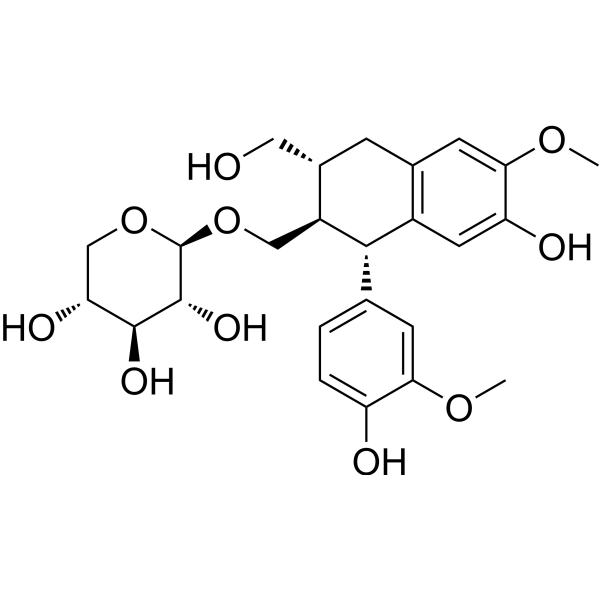
Schizandriside is a cerebroside, which can be isolated from Uvaria tonkinensis var. .
loading...
    loading...
Cat. No.: HY-N10078
CAS No.: 29202-00-4
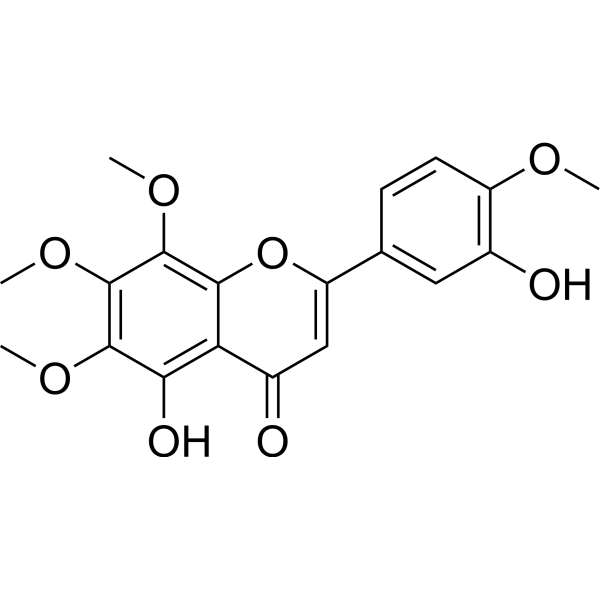
Gardenin D is a natural product. Gardenin D can be isolated from the leaves of Isodon rubescens var. lushiensis .
loading...
    loading...
Cat. No.: HY-N15497
CAS No.: 146436-22-8
Terpestacin is found in Phoma exigua var. heteromorpha. Terpestacin binds to UQCRB to inhibit the production of mitochondrial ROS and HIF-1α. Terpestacin inhibits tumor angiogenesis in the FM3A breast cancer cell xenograft mouse model. Terpestacin has antitumor activity and phytotoxicity .
loading...
    loading...
Cat. No.: HY-W016814A
CAS No.: 499-12-7
Synonyms: NSC 7616
Target:  

Fungal

Domaines de recherche:  

Others

Aconitic acid (NSC 7616) is an organic acid, and can be isolated from seeds of Brassica oleracea var. acephala (kale). Aconitic acid has antifungal activity .
loading...
    loading...
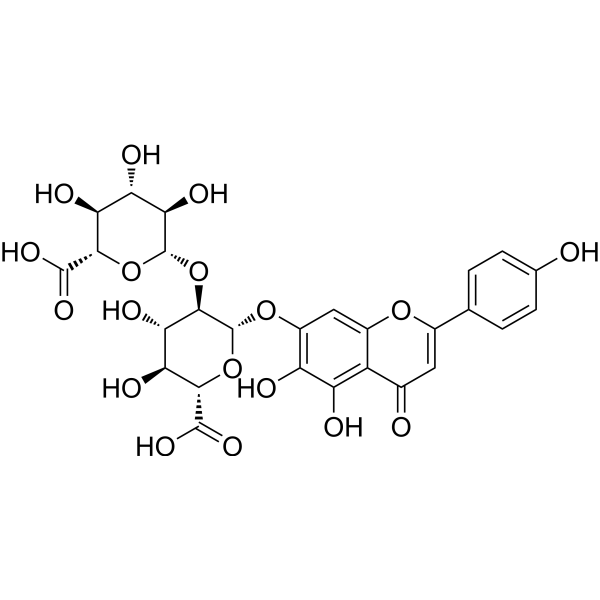
Cat. No.: HY-N10596
CAS No.: 150641-65-9
Scutellarin-7-diglucosidic acid is a nature flavone isolated from purple leaves of Perilla ocimoides var. Crispa .
loading...
    loading...
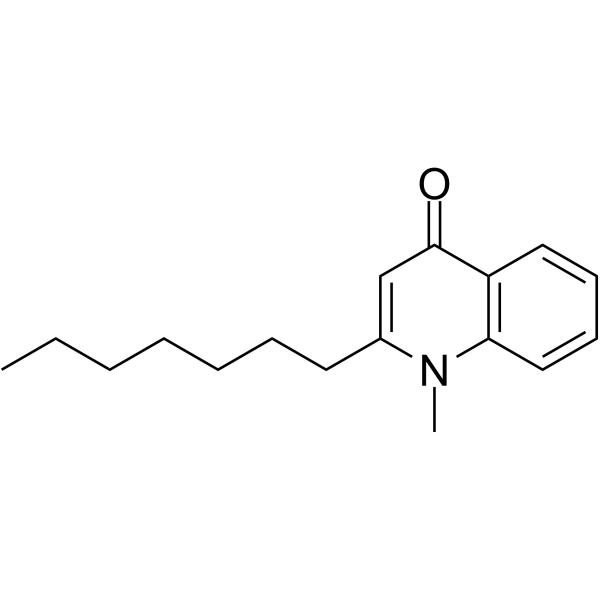
Cat. No.: HY-N4164
CAS No.: 80554-58-1
Schinifoline is a 4-quinolinone found in Zanthoxylum schinifolium. Schinifoline can inhibit cancer cells proliferation, cause G2/M phase arrest and induce apoptosis. Schinifoline can improve radiosensitizing effect of cancer cells. Schinifoline shows anti-fungal activity. Schinifoline can be used for the researches of cancer and infection, such as lung cancer and C. albicans infection .
loading...
    loading...

